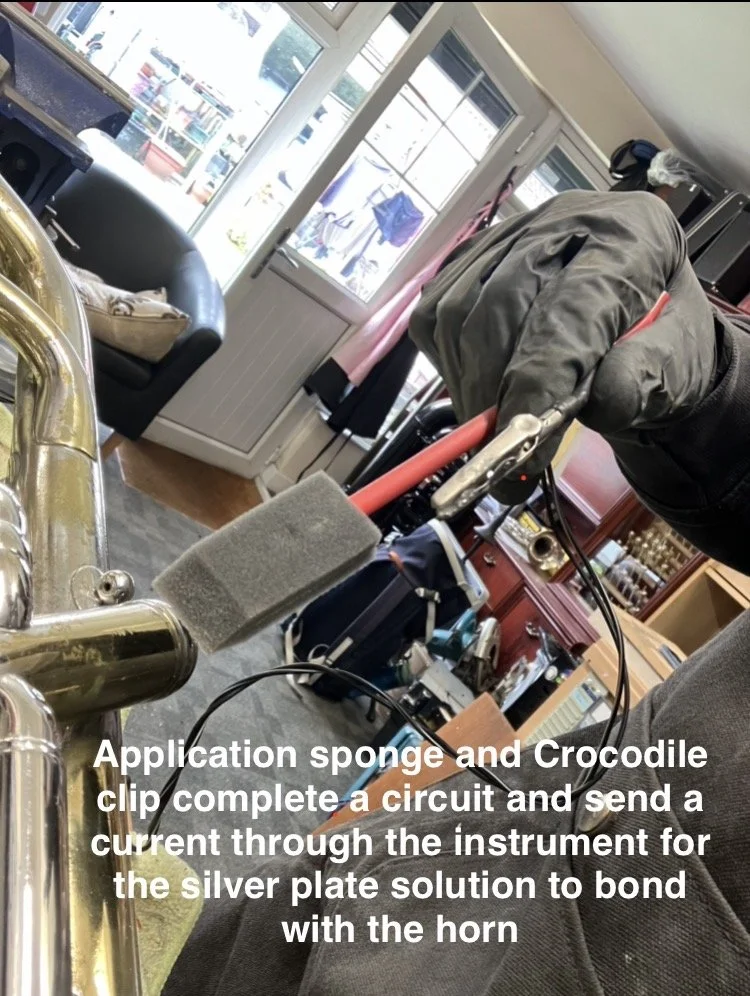
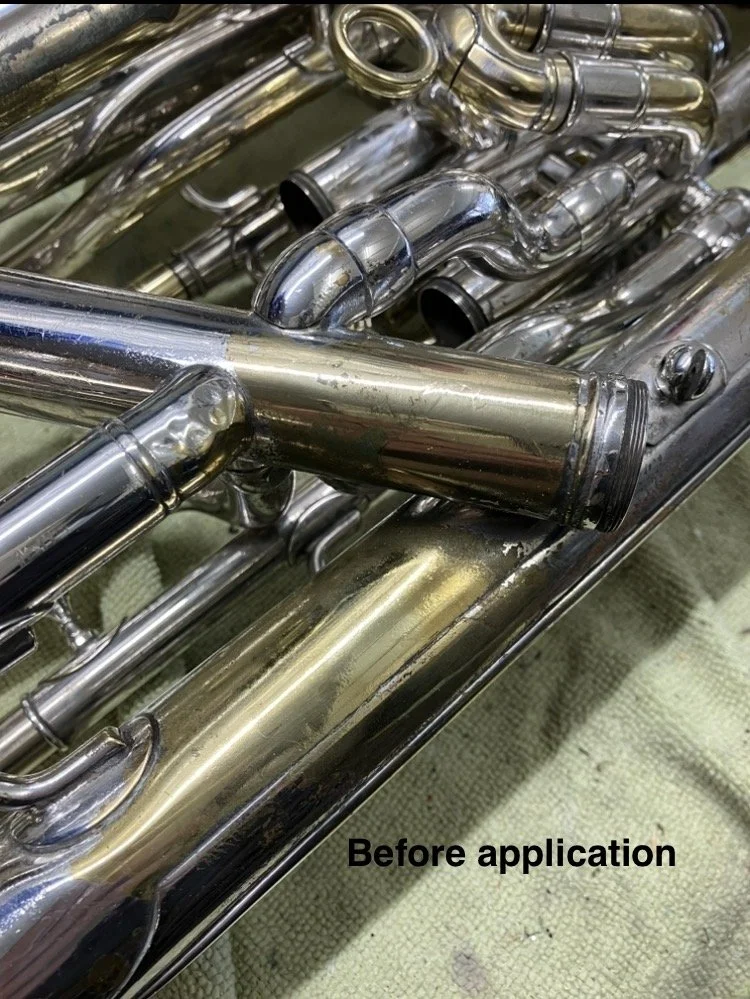
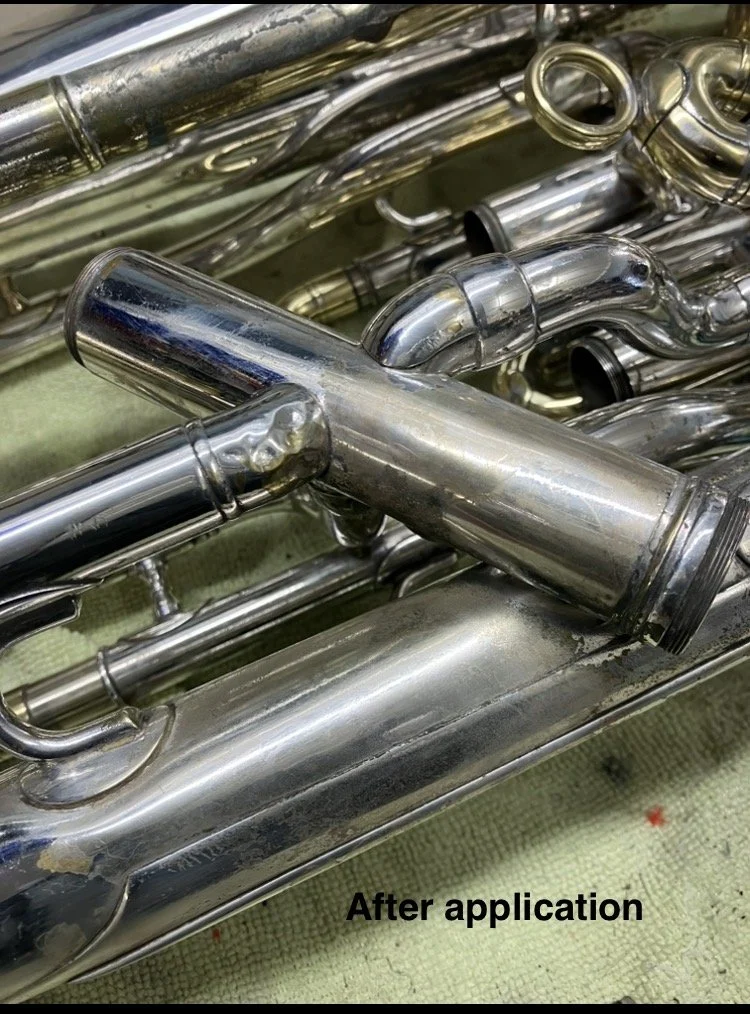
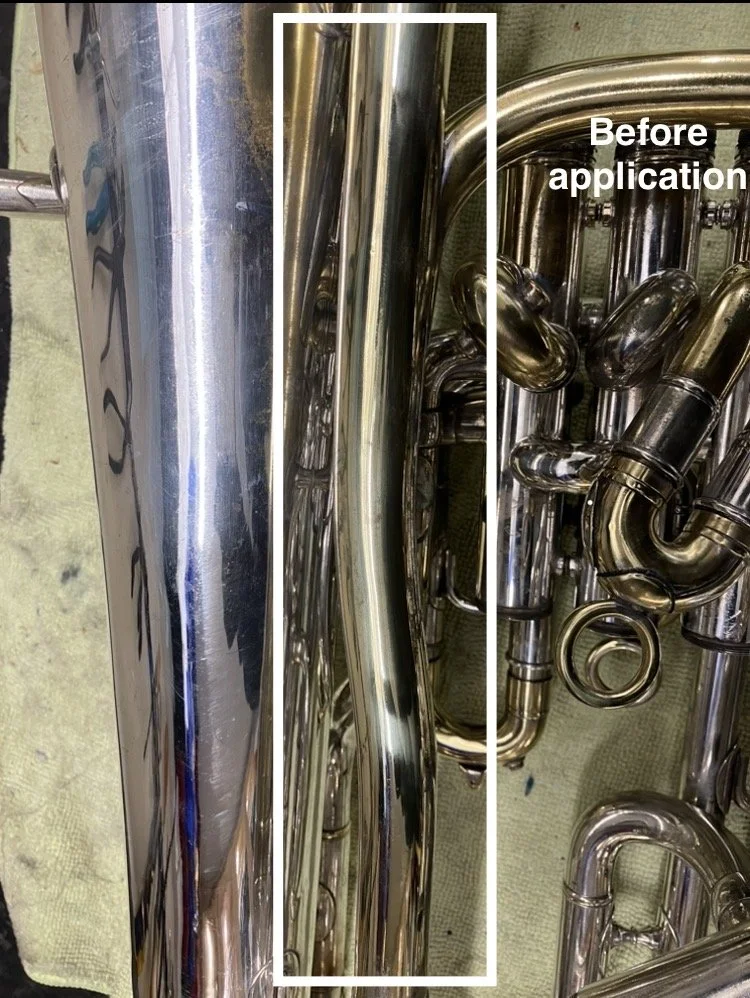
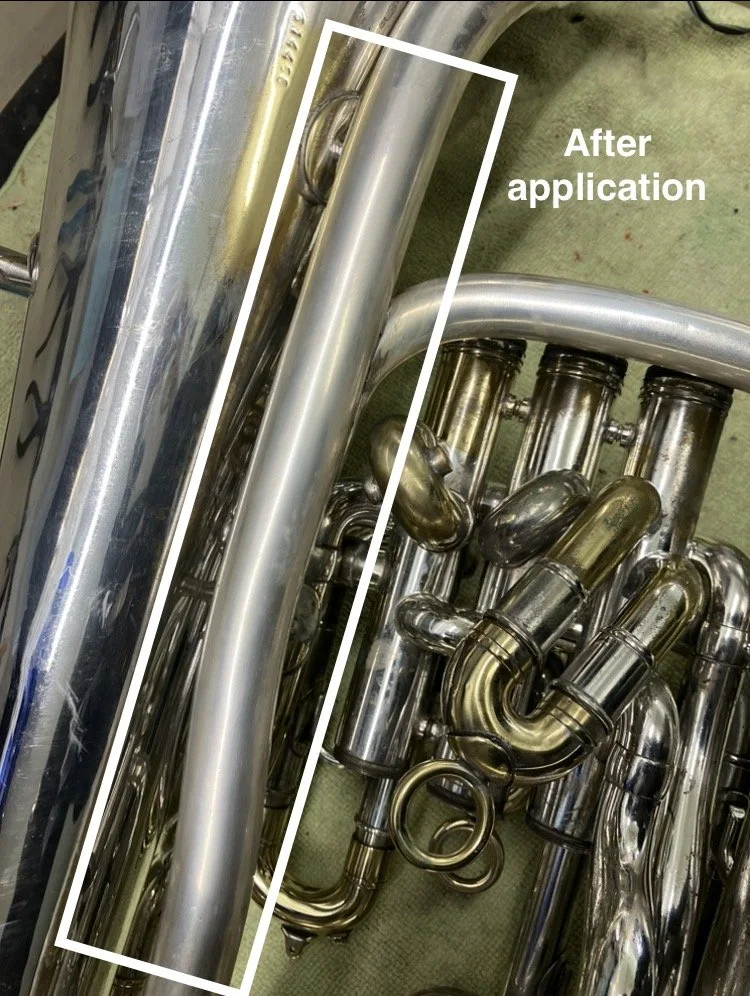
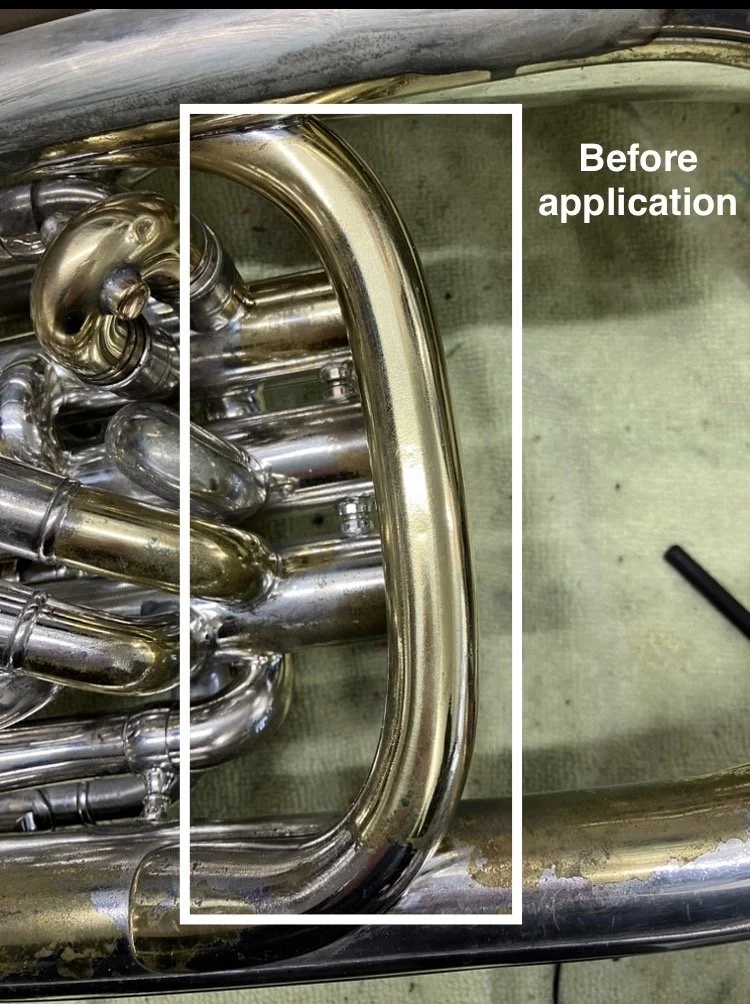
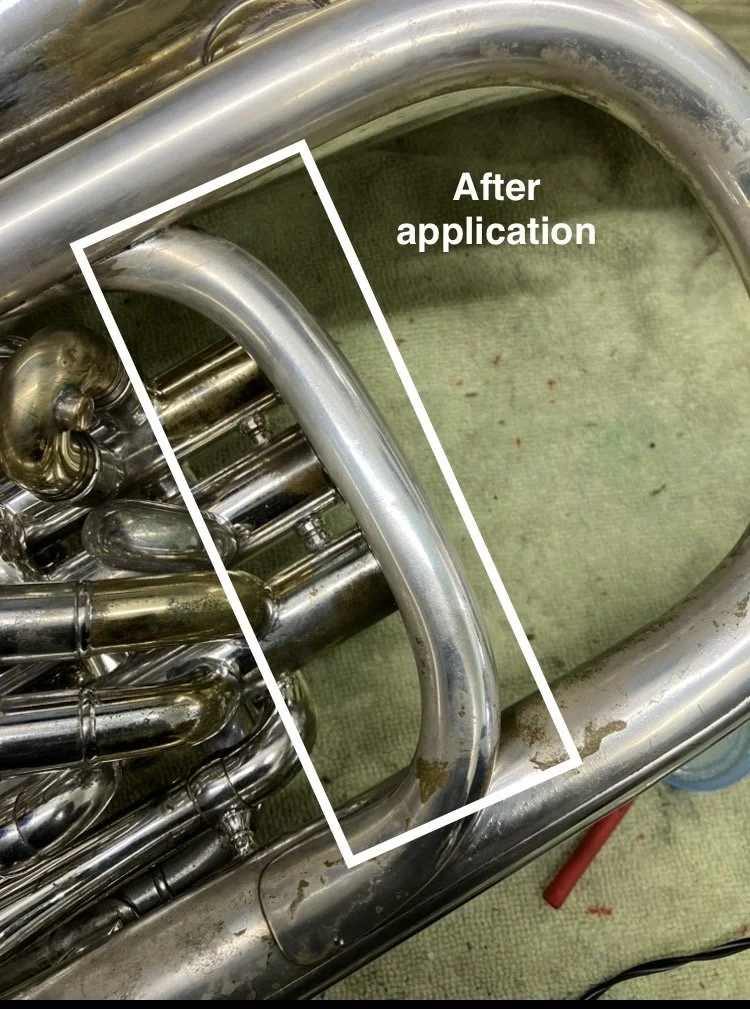
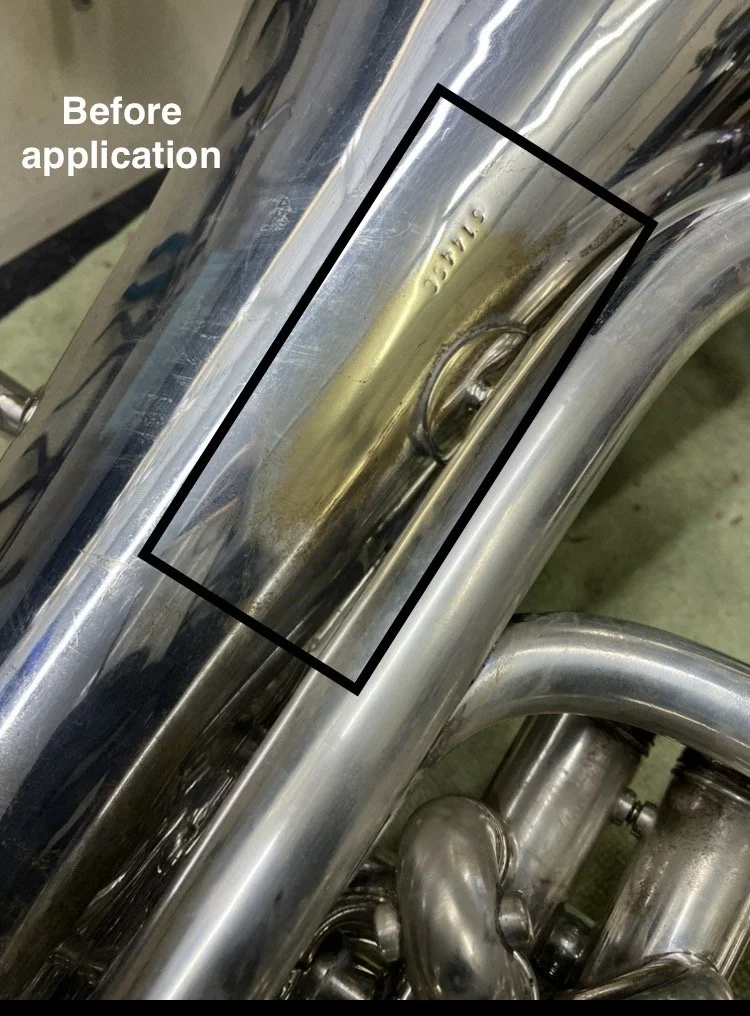
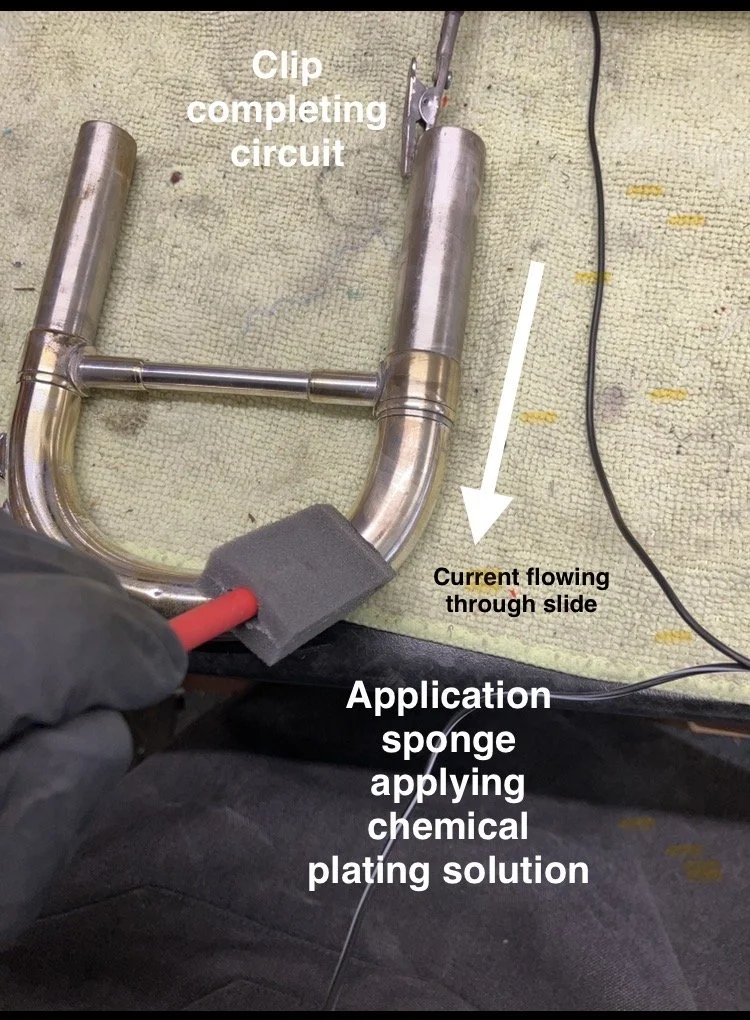

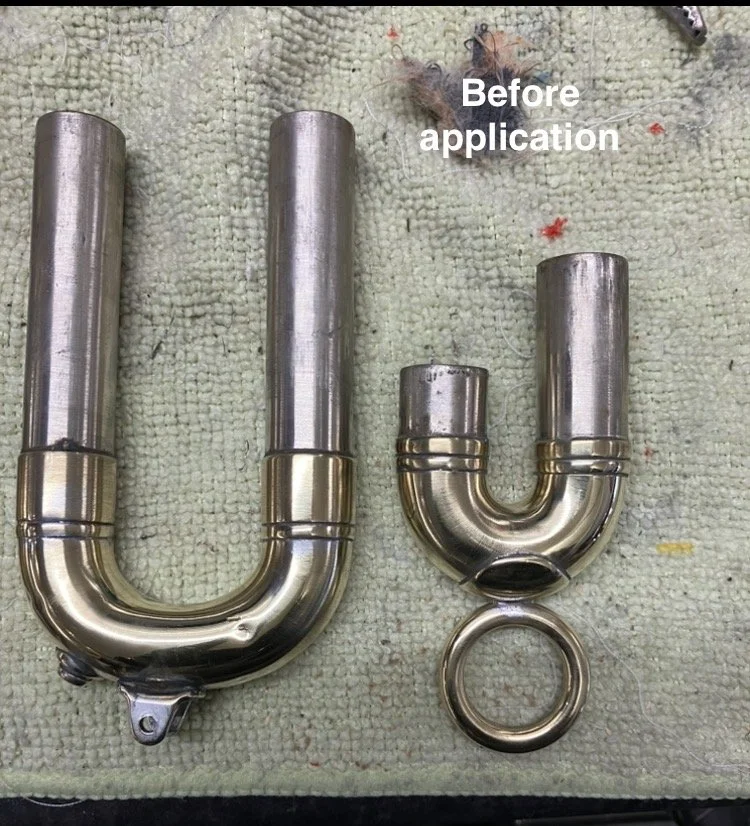
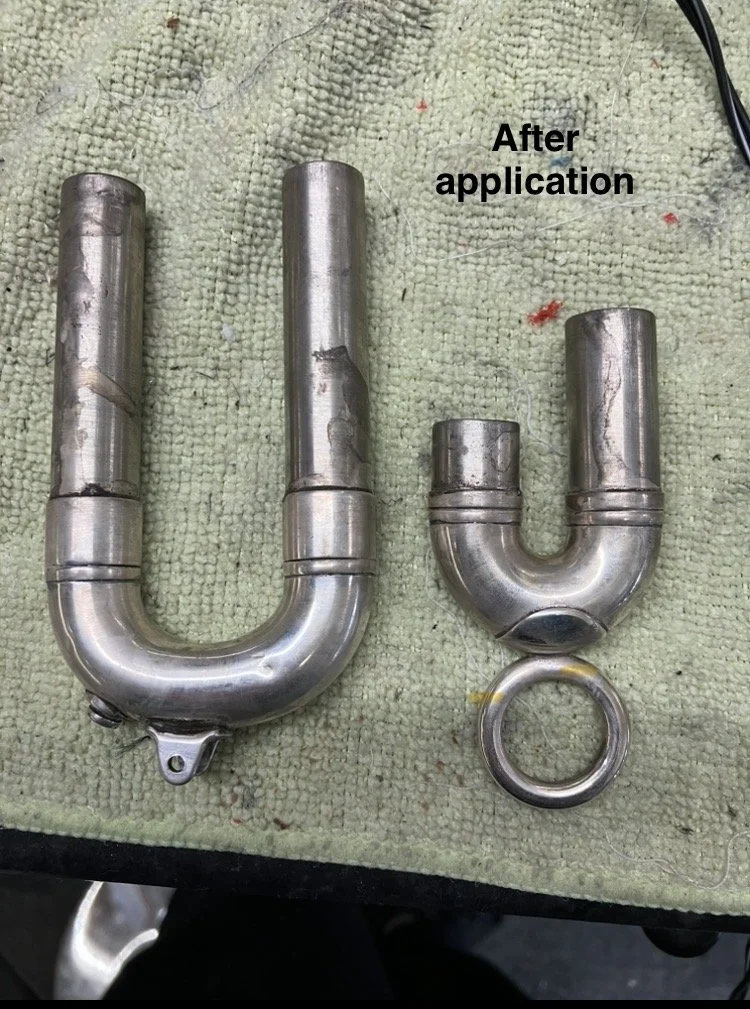
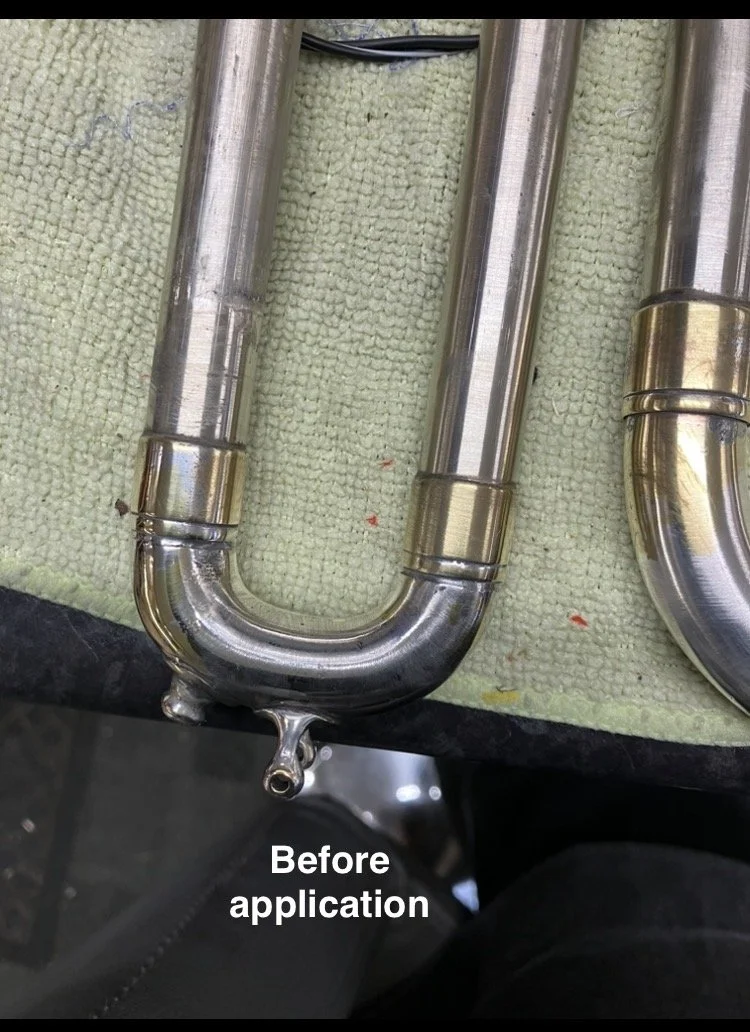
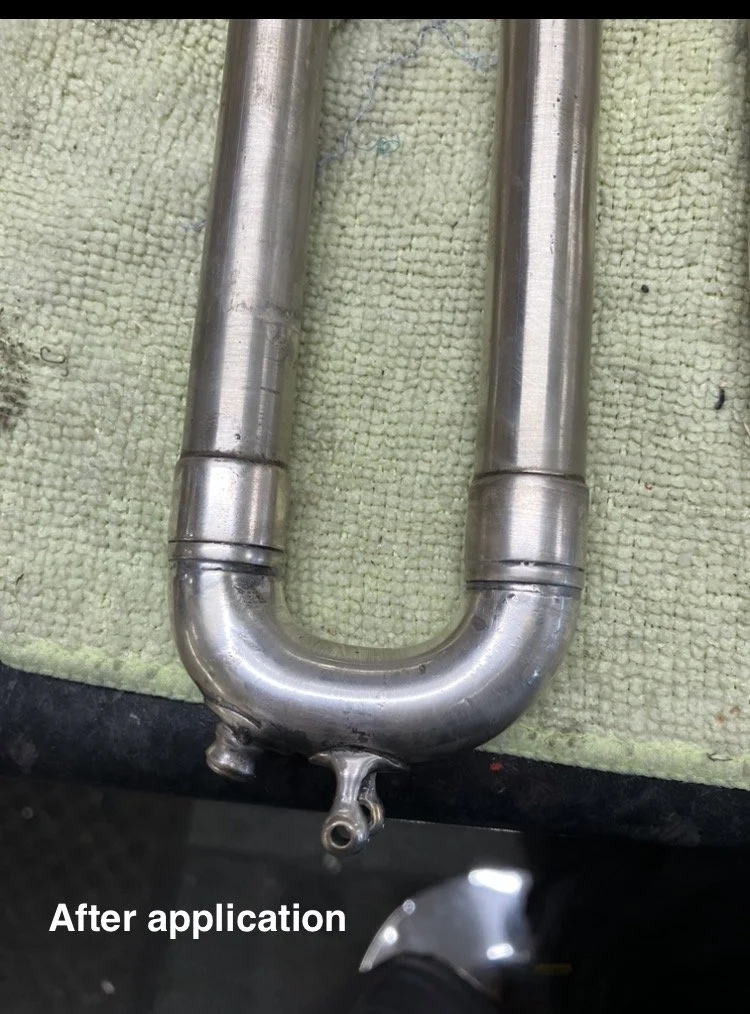
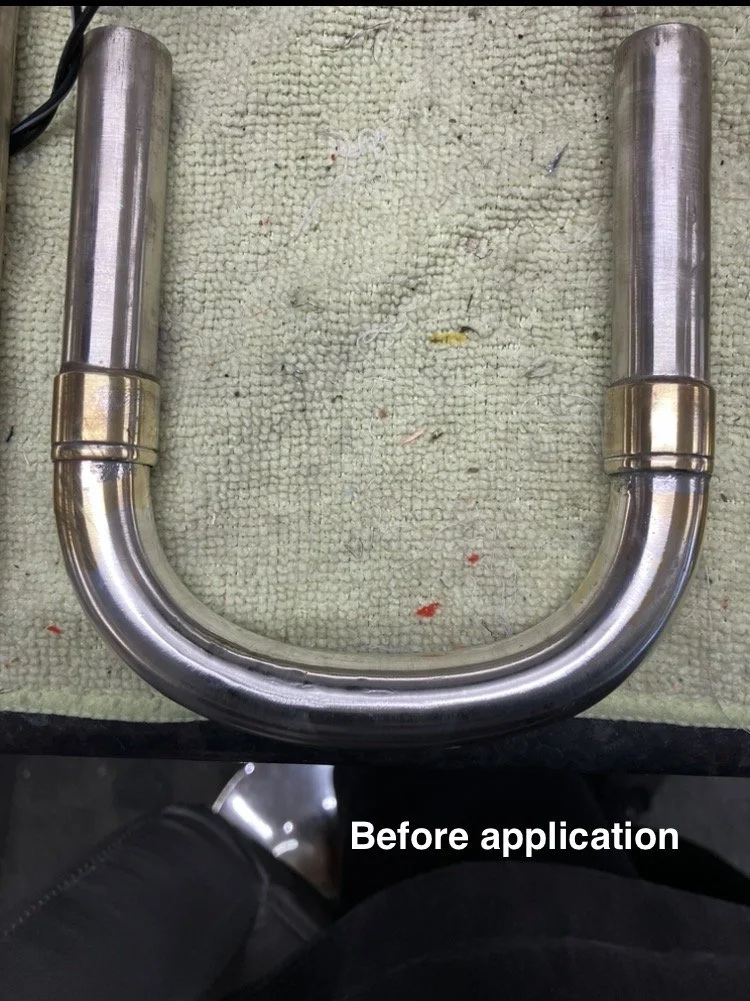
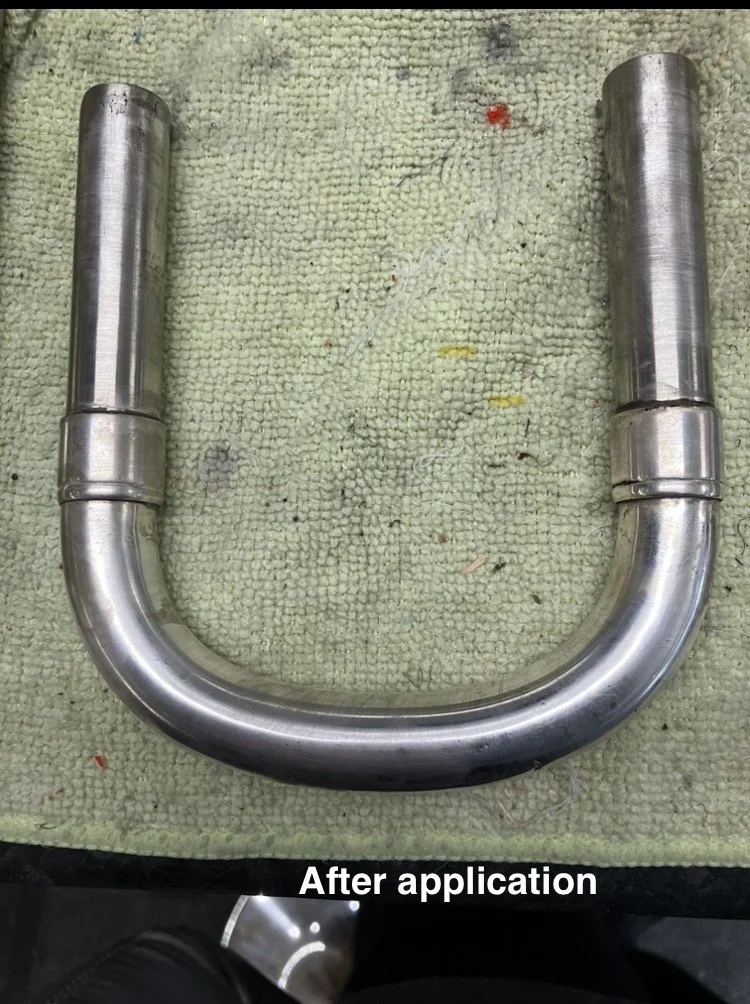
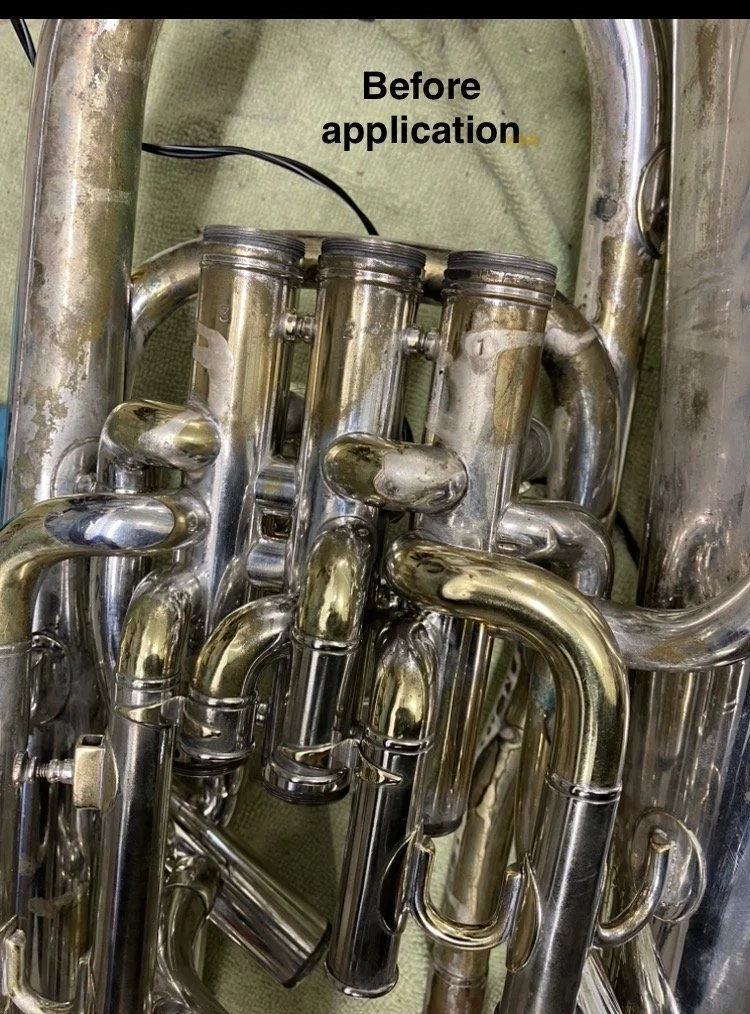
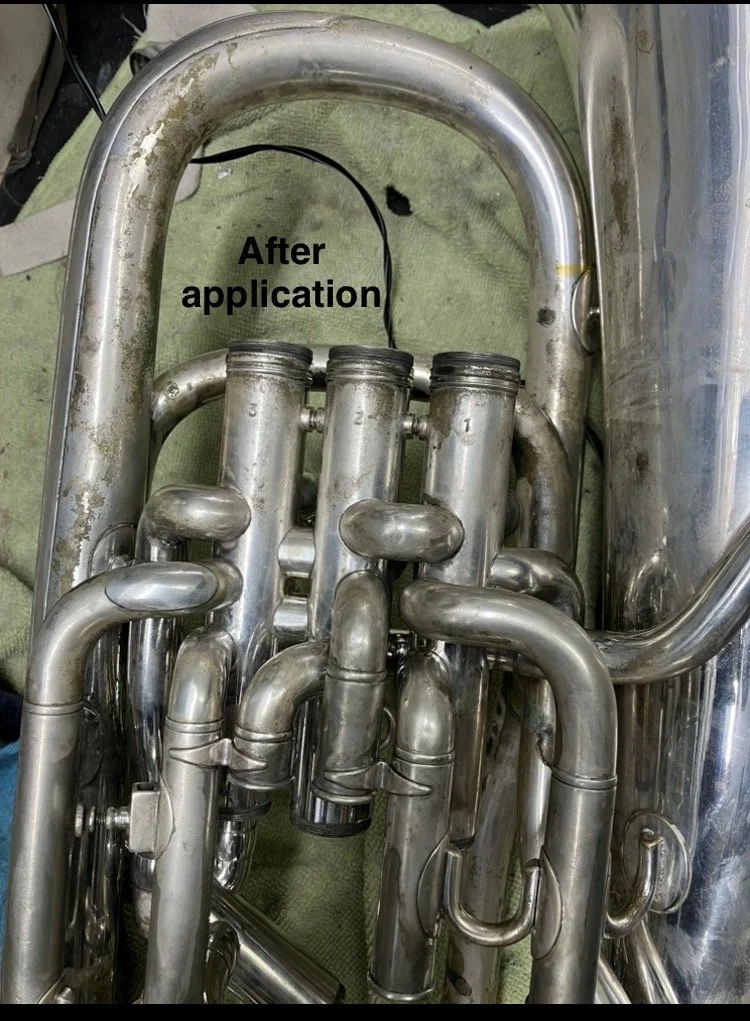
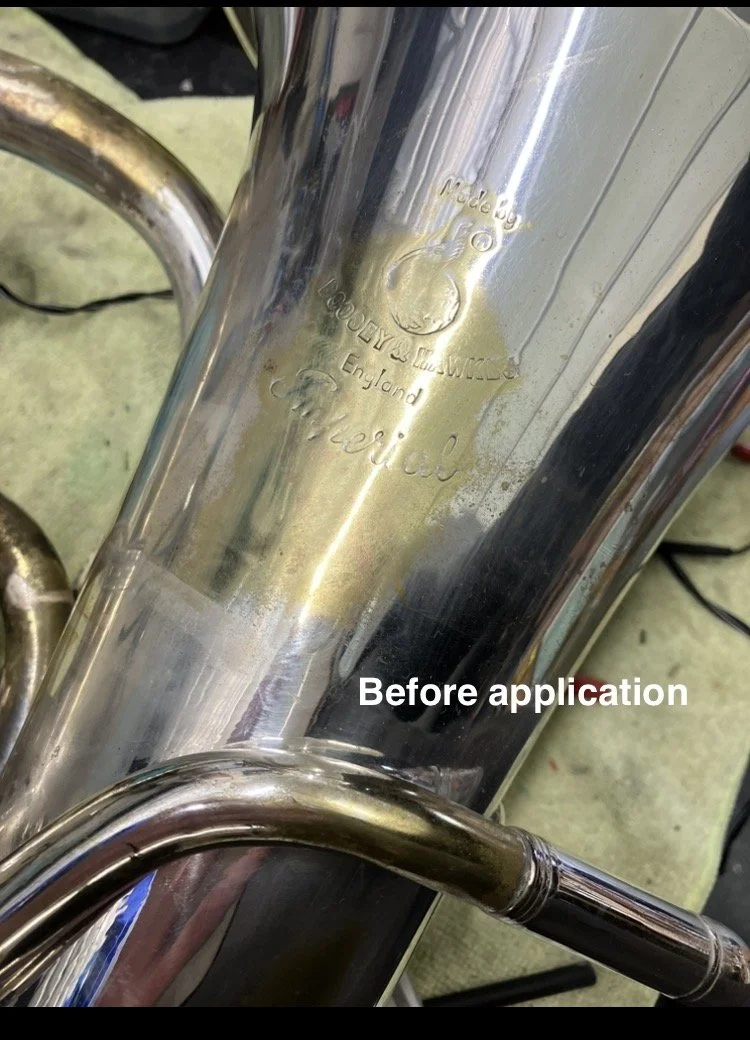
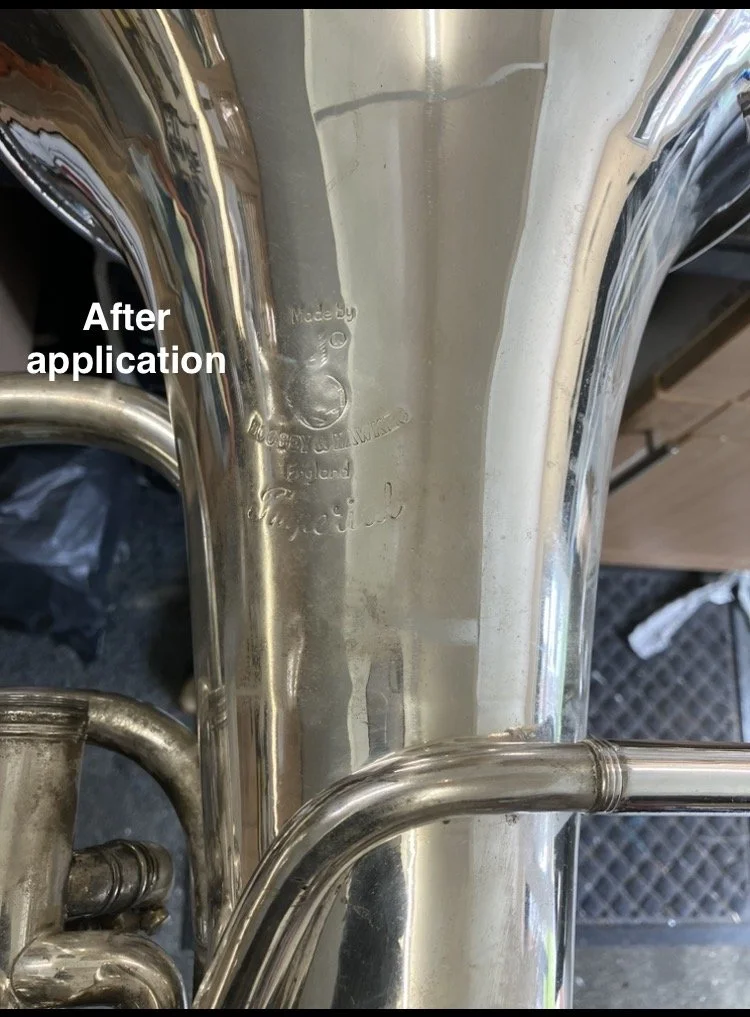
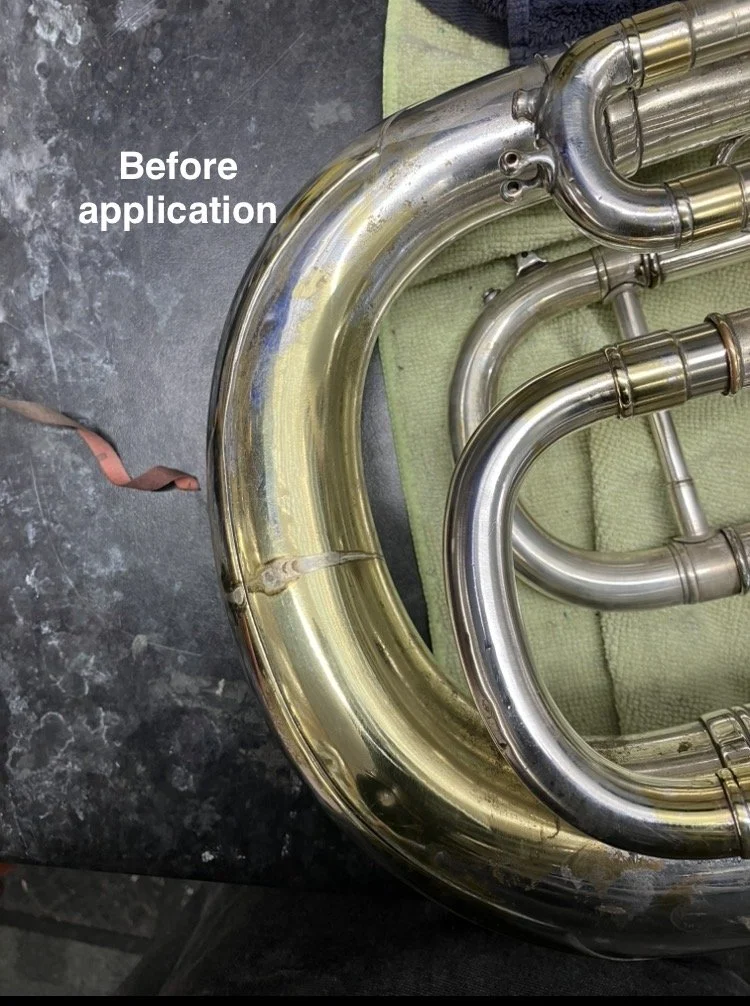
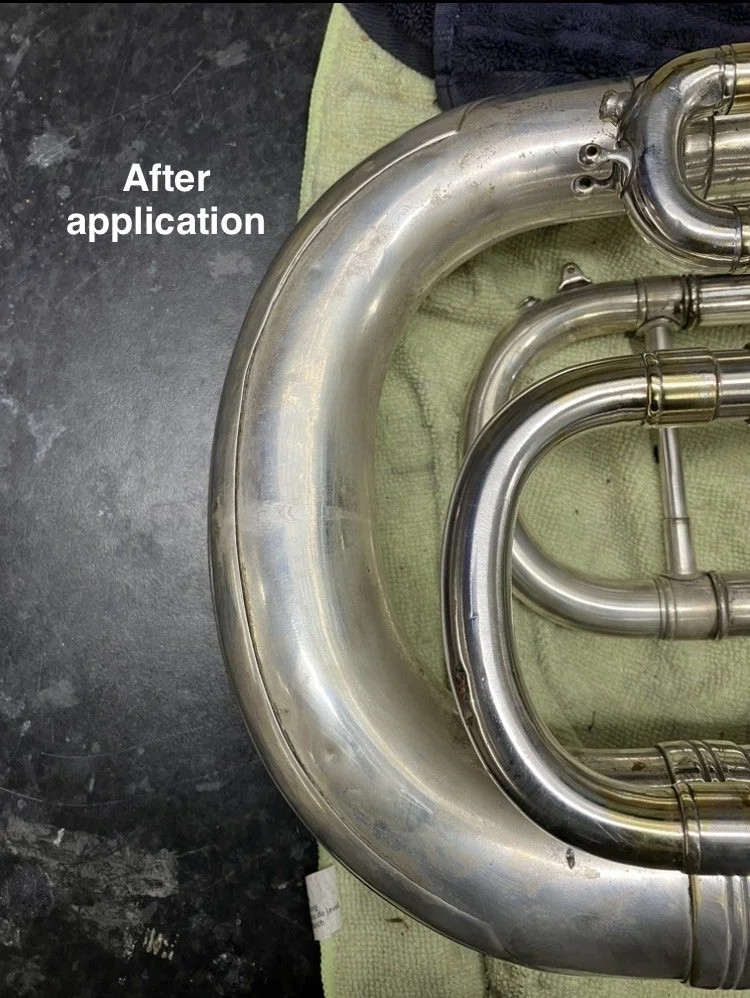
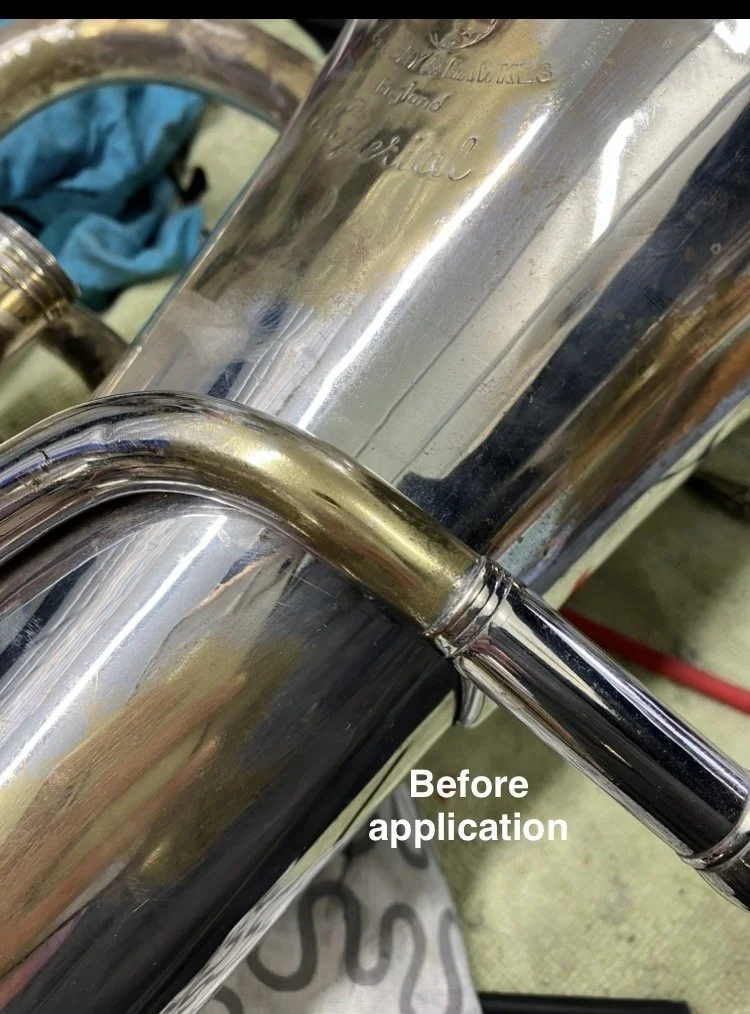
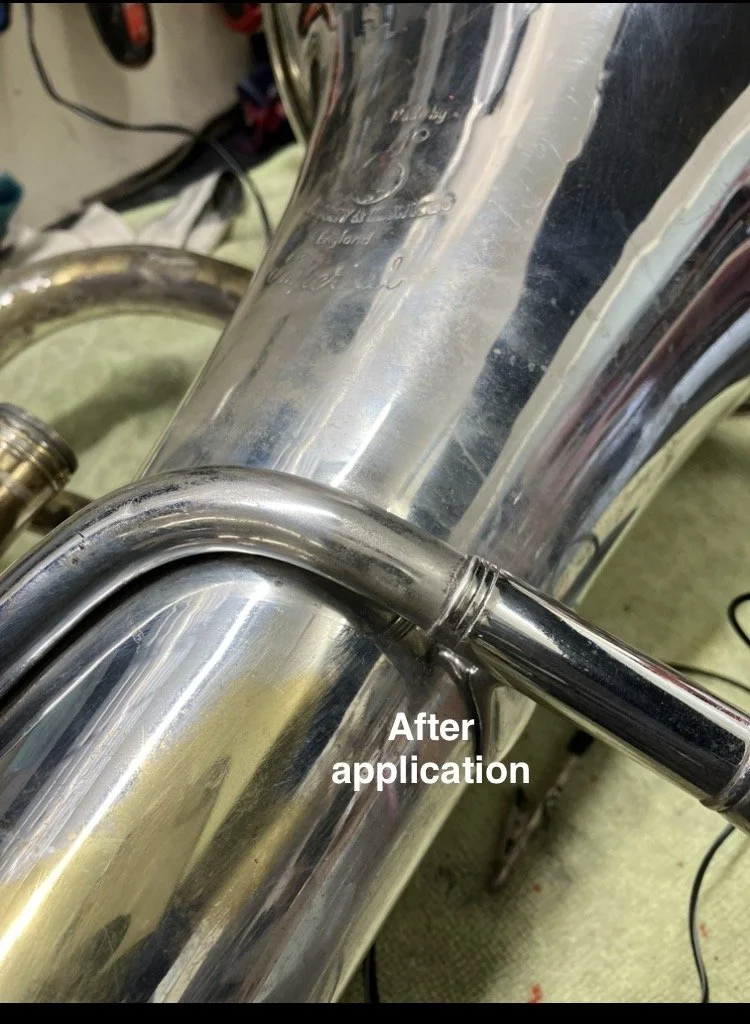
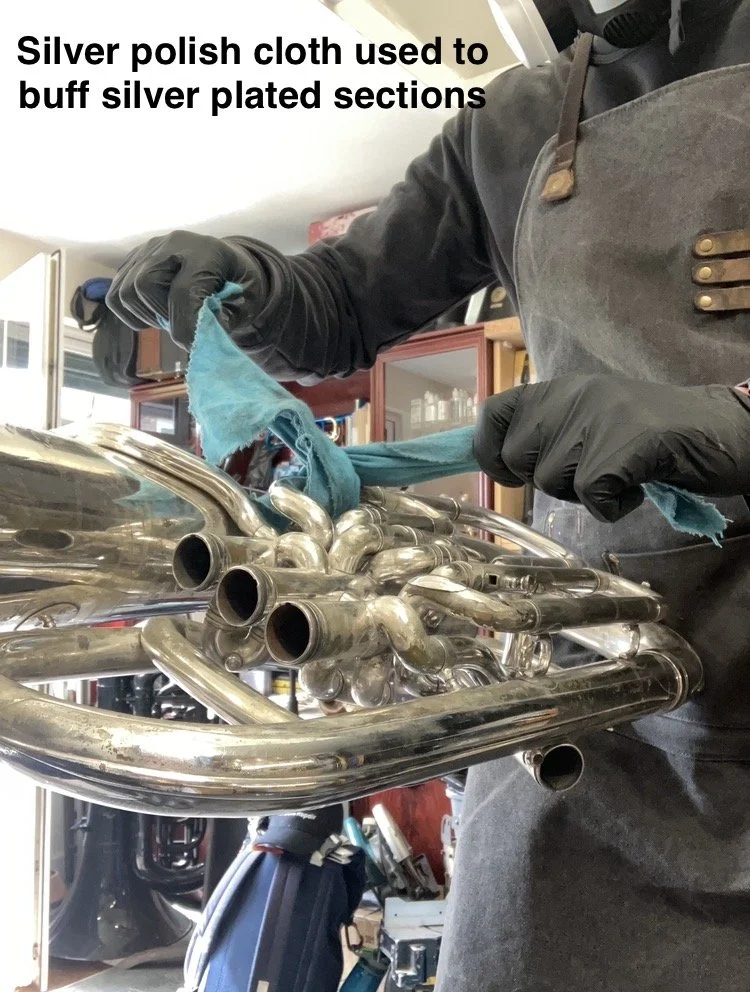
The most significant lesson I took from my first substantial silver-plating project was the importance of surface preparation before plating. The silver layer reflects the condition of the underlying metal, meaning that any imperfections present before plating will remain visible in the finished result.
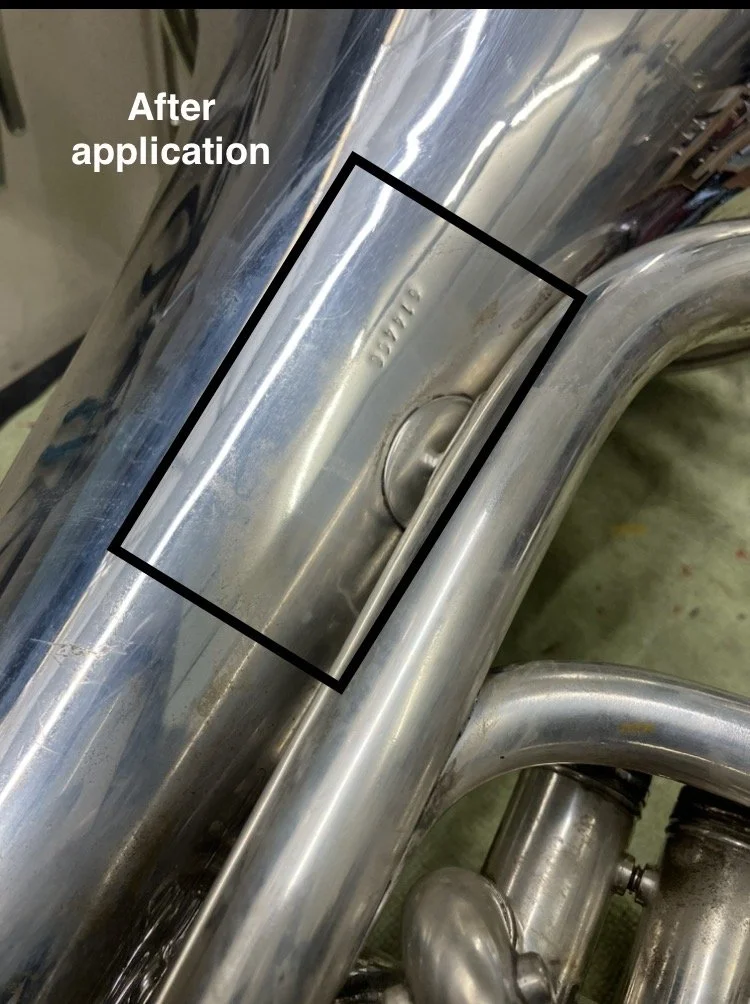
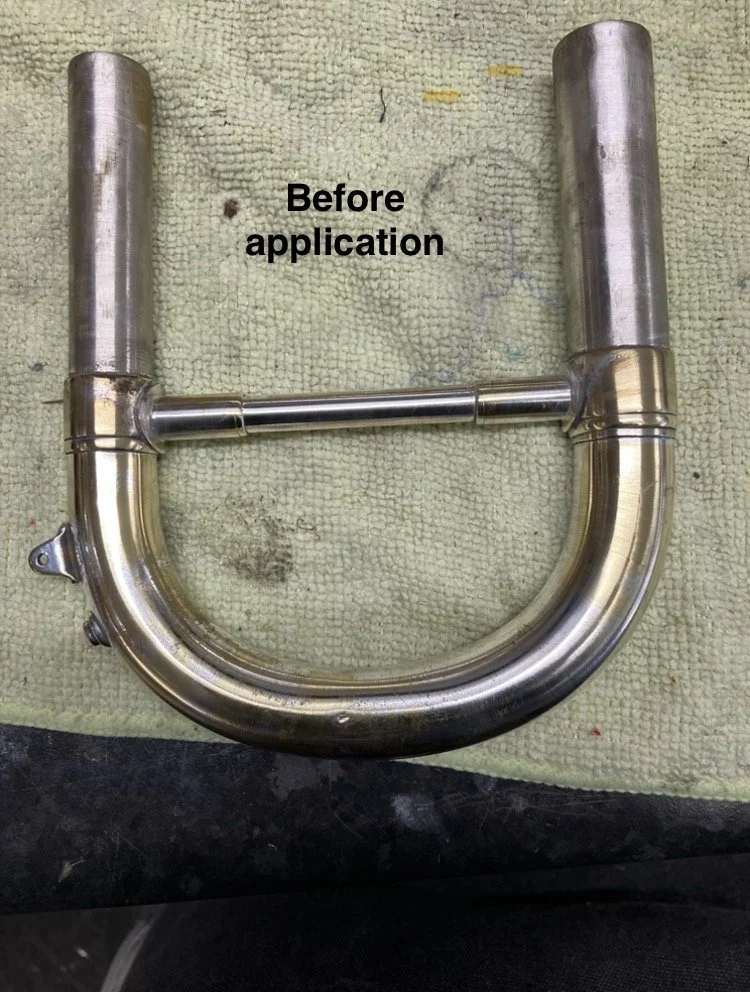
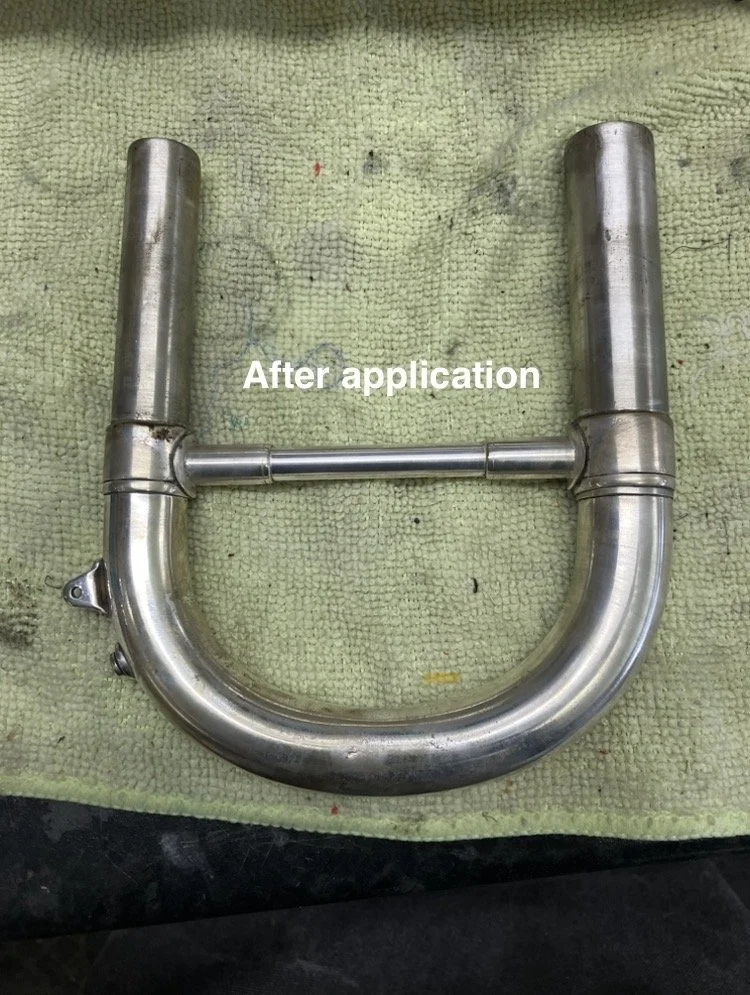
This was particularly evident when comparing different parts of the instrument. The slides, which were stripped back to raw brass and thoroughly polished and cleaned prior to plating, produced some of the best results. In contrast, sections of the main body showed areas where the silver plating flowed unevenly, resulting in spotting and surface inconsistencies. In some places, imperfections in the underlying surface became visible through the plating, creating an appearance similar to pitting.
Although the final finish was not flawless, the project provided valuable experience in both the application process and the limitations of this style of silver plating. It highlighted the critical role of preparation and gave me a much better understanding of the techniques required to achieve a professional finish. I hope to revisit this instrument in the future, carry out more extensive surface preparation, and reapply the silver plating to further improve the result.